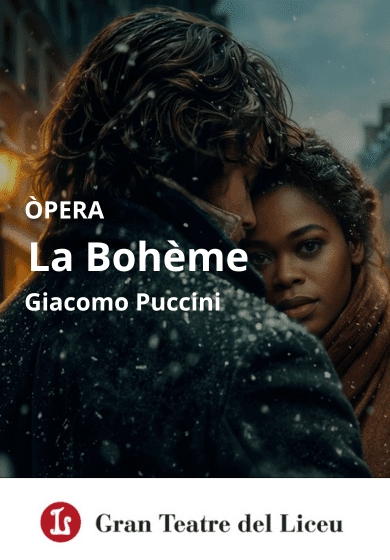
La Bohème
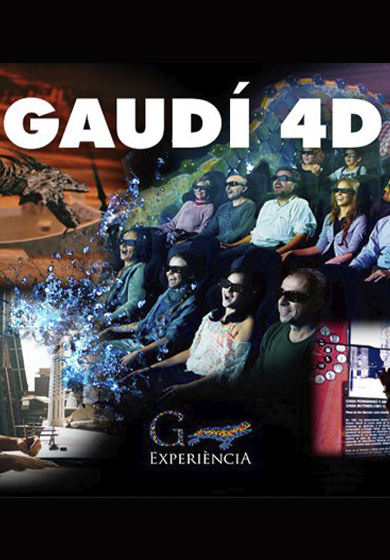
Gaudí in 4D

la-mundana-comedia-2023-06-11
Spanish Village of Barcelona
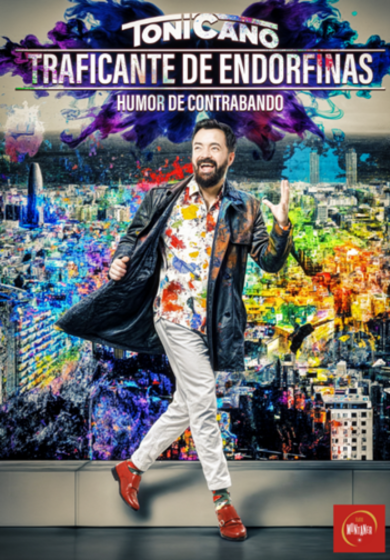
Toni Cano: Endorphin Trafficker
All information and the best tickets for the opera 'La Bohème' by Giacomo Puccini at the Gran Teatre del Liceu theatre in Barcelona
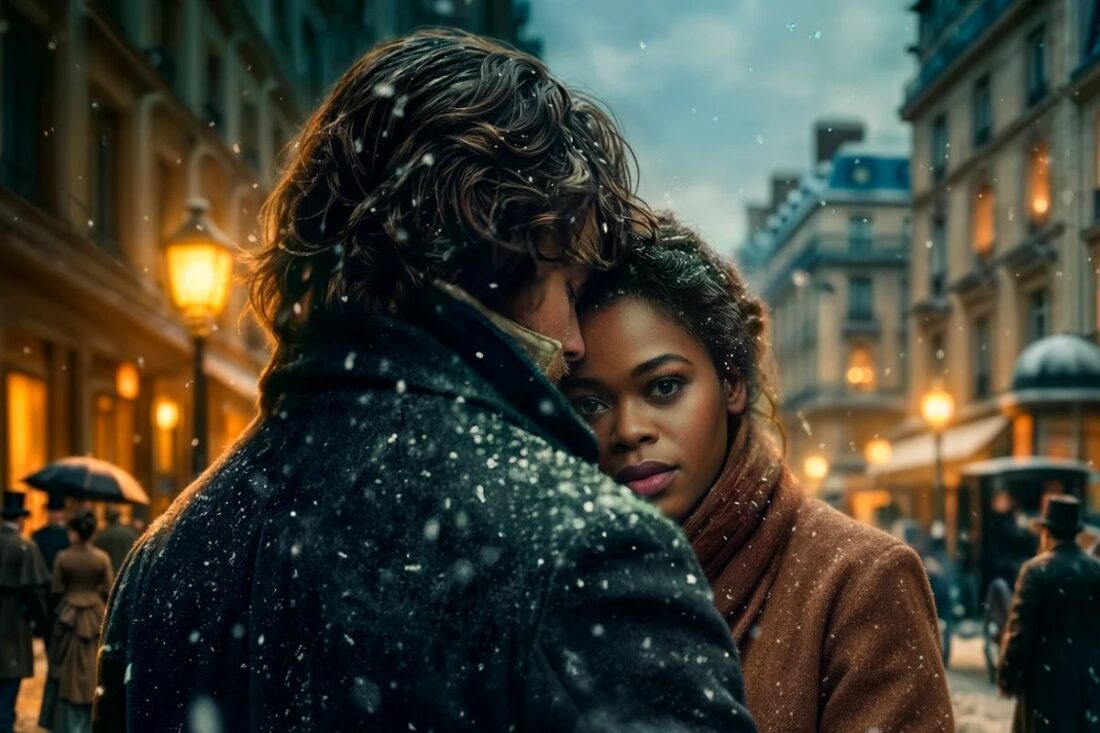
With an extraordinary cast – Pretty Yende, Ermonela Jaho, Carolina López Moreno, Freddie De Tommaso, Pene Pati, Kang Wang, Serena Sáenz, Sara Blanch, Andrzej Filończyk, Artur Ruciński, Carles Pachon and others – and with the musical direction by Maestro Giacomo Sagripanti, La bohème arrives at the Liceu with the intensity of a story that continues to captivate. The classic production by Paolo Gavazzeni and Piero Maranghi, from the Teatro Regio di Torí, invites us to discover an intimate and vibrant Paris, where every emotion is ignited with sincerity. In this bohemian universe, between the narrowness of the attics and the immensity of human desire, Puccini reveals a moving paradox: in a world of cold and precariousness, a spirituality born of simple gestures, tenderness, and shared silences emerges. Love becomes ritual; poverty, martyrdom; lightness, sin; and art, an unexpected path to redemption. The young people who live it are not heroes, but souls who laugh, doubt, and cling to life with a passion as fragile as it is intense. Rodolfo and Mimì embody a love that oscillates between dreamed eternity and inevitable transience. Mimì, with her almost liturgical sweetness, turns her farewell into an instant of an unforgettable tragic light. Bohemia —irreverent, free, disorderly— is also a subtle act of rebellion: replacing the temple with the room, ritual with improvisation, norm with passion. In this intimate space, Puccini's music captures the trembling of the soul and elevates the ephemeral until it becomes pure emotion. Because La bohème is not just the chronicle of young artists; it is the revelation of a mystery that only love can unveil. A love that, in its most fragile moment, leaves an indelible mark on all those who have experienced it. In this bohemian universe, between the narrowness of the attics and the immensity of human desire, Puccini reveals a moving paradox: in a world of cold and precariousness, a spirituality born of simple gestures, tenderness, and shared silences emerges. Love becomes ritual; poverty, martyrdom; lightness, sin; and art, an unexpected path to redemption. The young people who live it are not heroes, but souls who laugh, doubt, and cling to life with a passion as fragile as it is intense. Rodolfo and Mimì embody a love that oscillates between dreamed eternity and inevitable transience. Mimì, with her almost liturgical sweetness, turns her farewell into an instant of an unforgettable tragic light. Bohemia —irreverent, free, disorderly— is also a subtle act of rebellion: replacing the temple with the room, ritual with improvisation, norm with passion. In this intimate space, Puccini's music captures the trembling of the soul and elevates the ephemeral until it becomes pure emotion. Because La bohème is not just the chronicle of young artists; it is the revelation of a mystery that only love can unveil. A love that, in its most fragile moment, leaves an indelible mark on all those who have experienced it.
Images
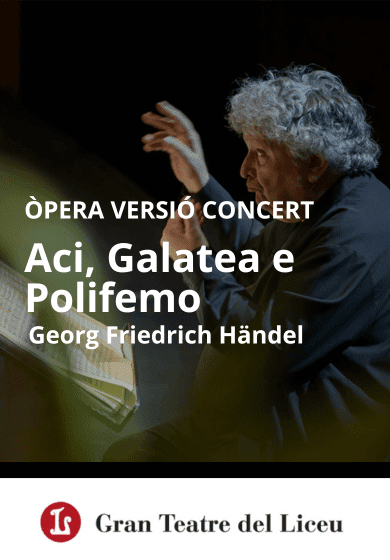
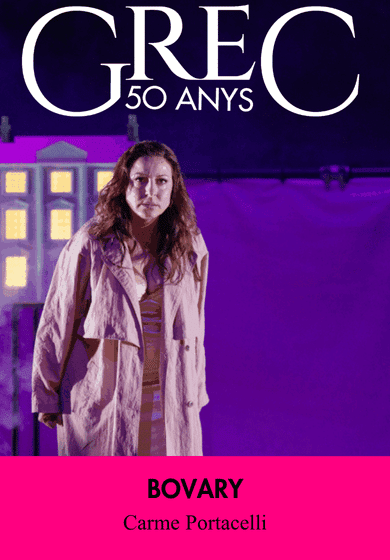
Aquest cap de setmana a Barcelona
Altres plans a prop, per completar la sortida.
 Concert
descobreix-la-banda-2026-10-17
L'Auditori Theatre
punta-2026-10-17
L'Autèntica Teatre Theatre
Hop Sant Andreu
SAT! Sant Andreu Teatre Dance
Dance
dansat-al-carrer-2026-10-17
SAT! Sant Andreu Teatre Theatre
magia-kids-la-biblioteca-secreta-2026-10-17
Teatreneu
la-truita-2026-10-17
Teatre PolioramaMés Theatre a Barcelona
Gaudí in 4D
la-mundana-comedia-2023-06-11
Spanish Village of Barcelona
Toni Cano: Endorphin Trafficker
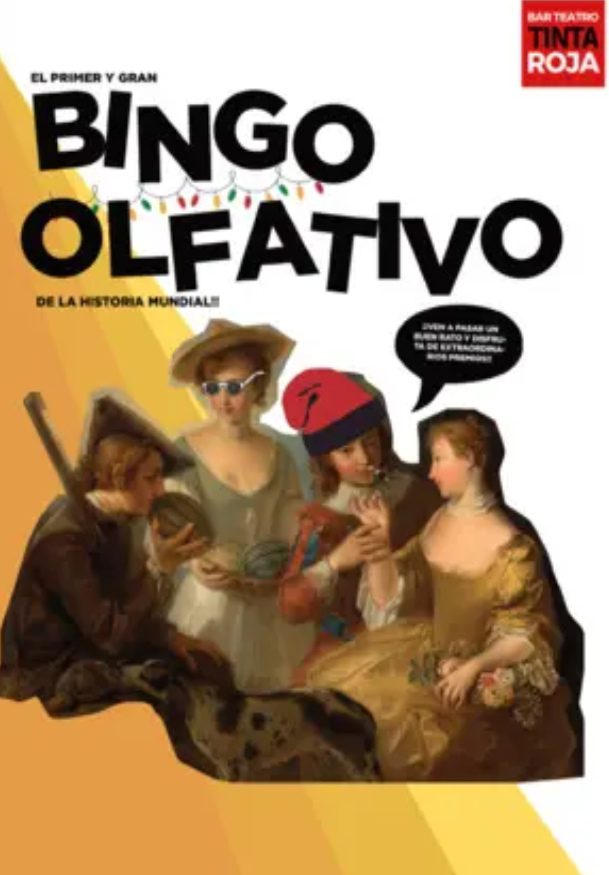
Olfactory bingo
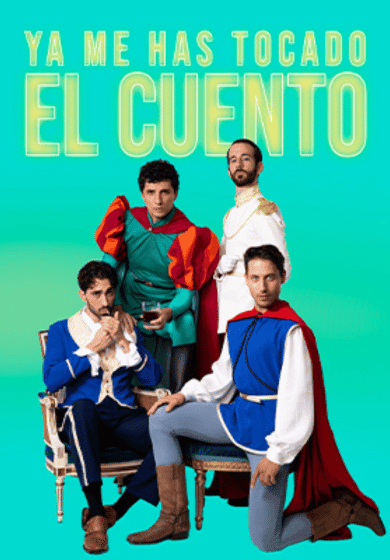
You've had enough of my story.